Weight Loss Medications
What you need to know about Weight Loss Medications
Dr Clough’s Breakdown of Obesity Medications versus Bariatric Surgery
Note that these views expressed represent my own opinion based on my experience and reading from information available in 2026.
Medications Available
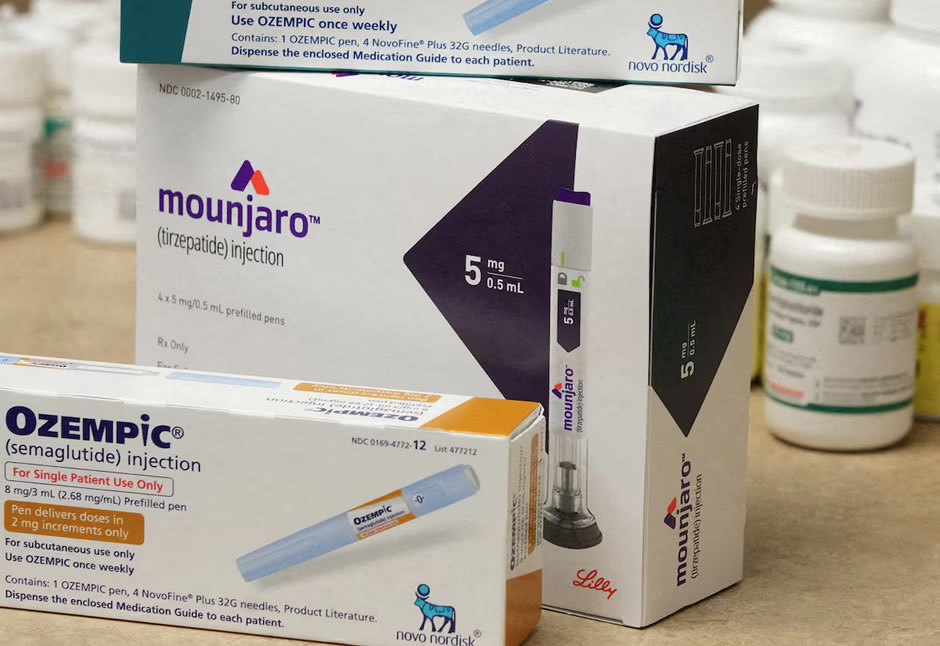
The most commonly used weight loss medications in 2026 are Semaglutide & Tirezepatide.
These medications are given by weekly injections.
Key Points
- 60% of patients who try weight loss medications achieve benefit from them
- The studies thus far have mainly focused on patients with BMI in the 30s
- It is necessary to continue the medication indefinitely as regain will occur on ceasing the drug
- There is currently no long term or even medium term information or data available regarding sustained effectiveness nor long term side effects.
- Currently there is limited access to the drugs on the PBS system. For most patients the ongoing expense is significant
Side Effects
- Gastrointestinal system side effects are common including nausea, diarrhoea, constipation, reflux.
- These drugs are known to slow down stomach and bowel motility. If undergoing anaesthesia it is possible that solid food may remain in your stomach even after a period of fasting with these drugs on board raising a risk of food aspiration into the lungs. There are ongoing concerns about possible associations with thyroid tumours, pancreatic tumours, hypoglycaemia, kidney injury and inflammation of the pancreas (pancreatitis).(1, 2)
Comparison with Bariatric Surgery for treatment of Obesity.
The current generation of weight loss medications are the first to provide meaningful impact in chronic obesity management. However my main concern about the drugs is that only short term information is available. Most of the key studies published thus far have been limited to less than two years of follow-up as of 2026.(3-6)
This raises questions both to the long term effectiveness and possible emergence of side effects from prolonged use noting that obesity is a chronic disease process and any intervention has a chance of failure over time.
The other point to highlight is that the average BMI for patients in the drug studies is in the 30s. Whether or not results are applicable to patients in higher weight categories such as BMIs in the 40s, 50s remains to be seen.
Table based comparison of Bariatric Surgery vs Weight Loss Medications
Information based on an interpretation of 2026 data
| Issue | Bariatric Surgery | Medications |
|---|
| Invasiveness |
Invasive keyhole surgery |
Non-invasive injections |
|---|
| Complications |
Although uncommon, some complications can be severe |
Severe complications rare |
|---|
| Permanency |
Can involve permanent changes to anatomy |
No permanent changes |
|---|
| Side effects |
Occasional |
Common |
|---|
| Effectiveness |
Highly effective and significant weight loss |
Less effective than bariatric surgery. |
|---|
| Reliability |
High reliability – most people achieve success |
A significant proportion (40%?) may not achieve meaningful weight loss due to ineffectiveness or side effects |
|---|
| Higher BMI patients |
Effective for higher BMI patients |
Less information on higher BMI patients |
|---|
| Long term data |
Many long term studies available including over ten years of follow-up |
No long term or even medium term information on effectiveness or side effects |
|---|
| Expense |
Once off expense |
Ongoing expense – must keep taking the medication to maintain weight loss |
|---|
Practical Applications of Weight Loss Medications
- Consider medications if you are looking to lose 10-20kg and you can afford the ongoing cost
- Reduce your cardiovascular risk if you have other risk factors for heart disease or have experienced cardiac events
- Use them to lose weight prior to bariatric surgery if you are in a higher BMI bracket. This will increase the safety of your surgical procedure and anaesthetic
- Achieve some extra weight loss if you have regained a little after bariatric surgery or not achieved your goals
Questions?
If you have questions or wish to have a discussion with Dr Clough about the differences between weight loss medications and surgery please contact our office to organise an appointment
REFERENCES
1. Alsaleh NM, Abo Alshamat R, Almrzouqi W, Alhebshi M, Aljuhani T, Almahdi R, et al. Pancreatic Mucinous Cystic Neoplasms Following GLP-1 Receptor Agonists Use: A Report of Two Cases with Literature Review. J Gastrointest Cancer. 2026;57(1):28.
2. Fahim SA, Attia YM, Messiha A, Nabawy AY, Refaat F, El-Maadawy WH. Comparative safety and side effects of semaglutide and tirzepatide: Implications for clinical decision-making in obesity management. Biomed Pharmacother. 2025;193:118731.
3. Ryan DH, Lingvay I, Deanfield J, Kahn SE, Barros E, Burguera B, et al. Long-term weight loss effects of semaglutide in obesity without diabetes in the SELECT trial. Nat Med. 2024;30(7):2049-57.
4. Wilding JPH, Batterham RL, Davies M, Van Gaal LF, Kandler K, Konakli K, et al. Weight regain and cardiometabolic effects after withdrawal of semaglutide: The STEP 1 trial extension. Diabetes Obes Metab. 2022;24(8):1553-64.
5. Jastreboff AM, Aronne LJ, Ahmad NN, Wharton S, Connery L, Alves B, et al. Tirzepatide Once Weekly for the Treatment of Obesity. N Engl J Med. 2022;387(3):205-16.
6. Garvey WT, Batterham RL, Bhatta M, Buscemi S, Christensen LN, Frias JP, et al. Two-year effects of semaglutide in adults with overweight or obesity: the STEP 5 trial. Nat Med. 2022;28(10):2083-91.